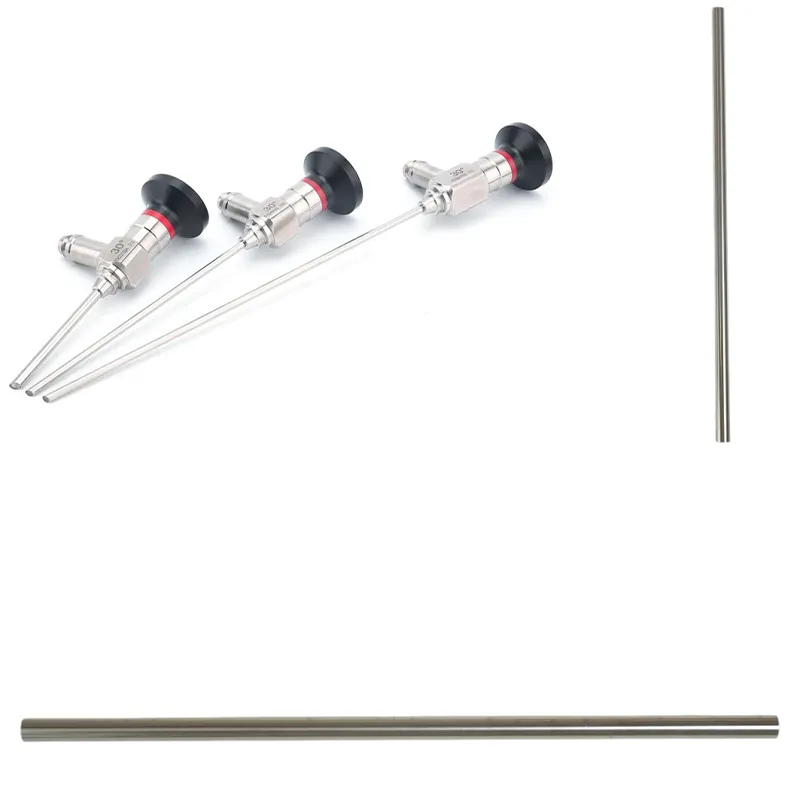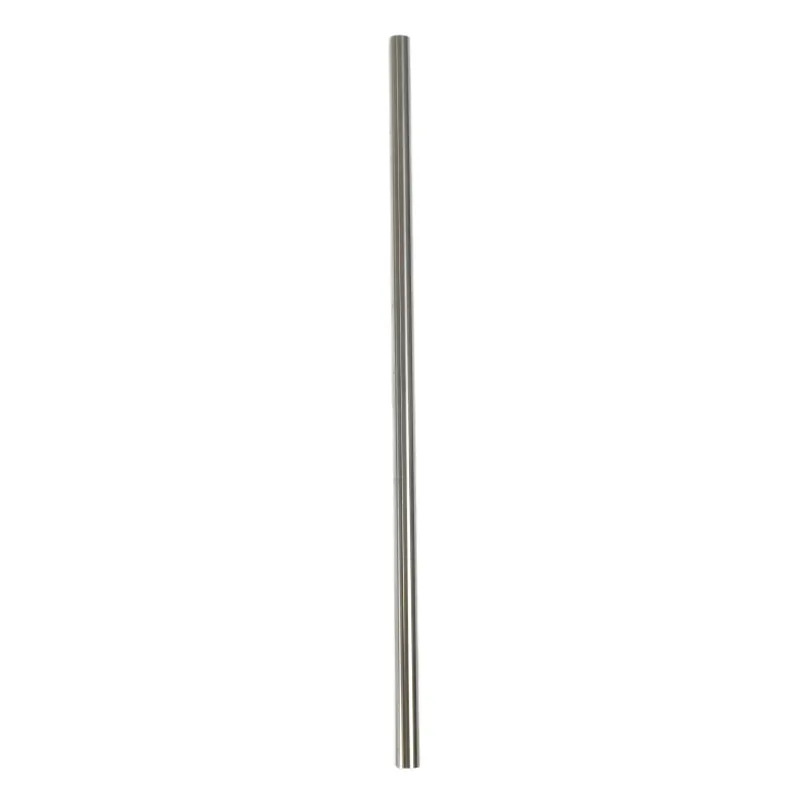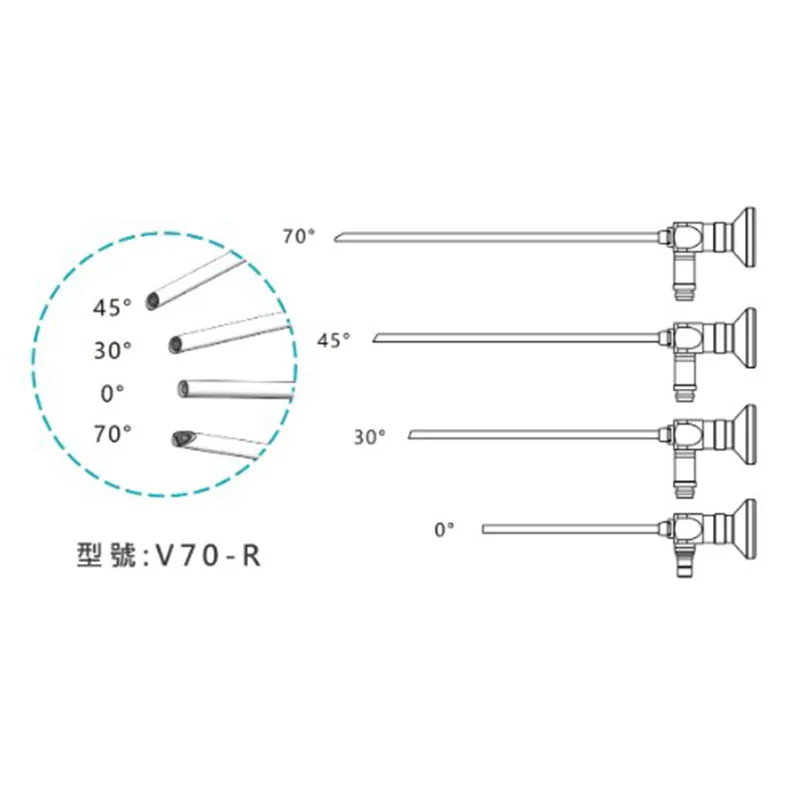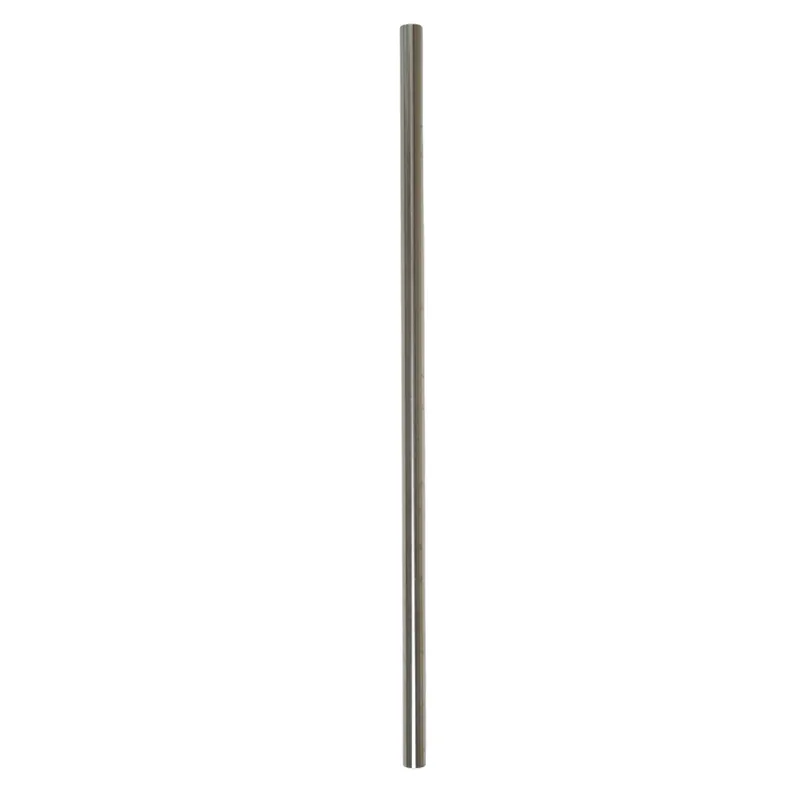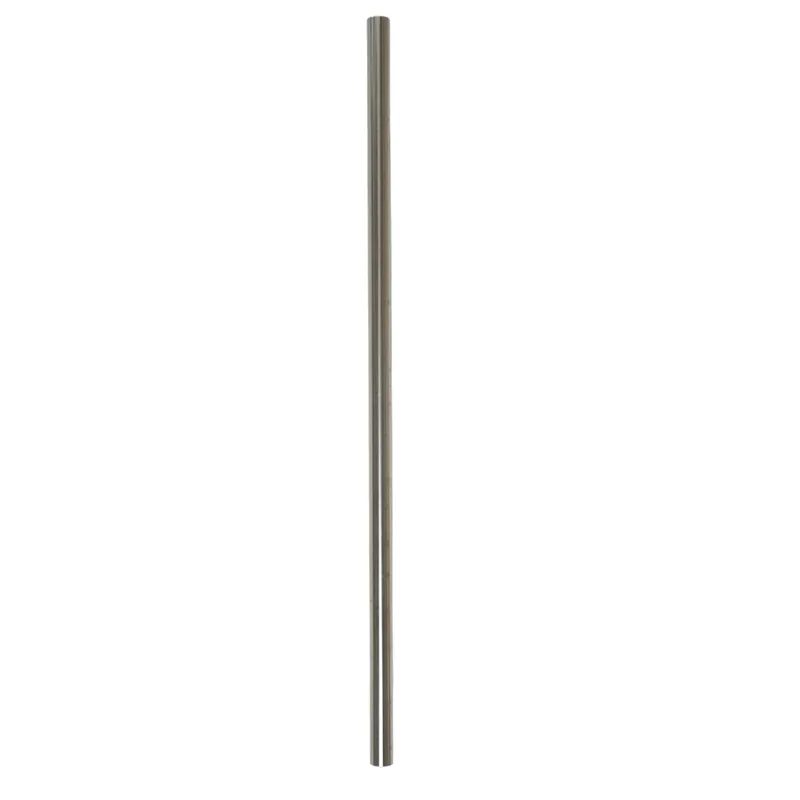

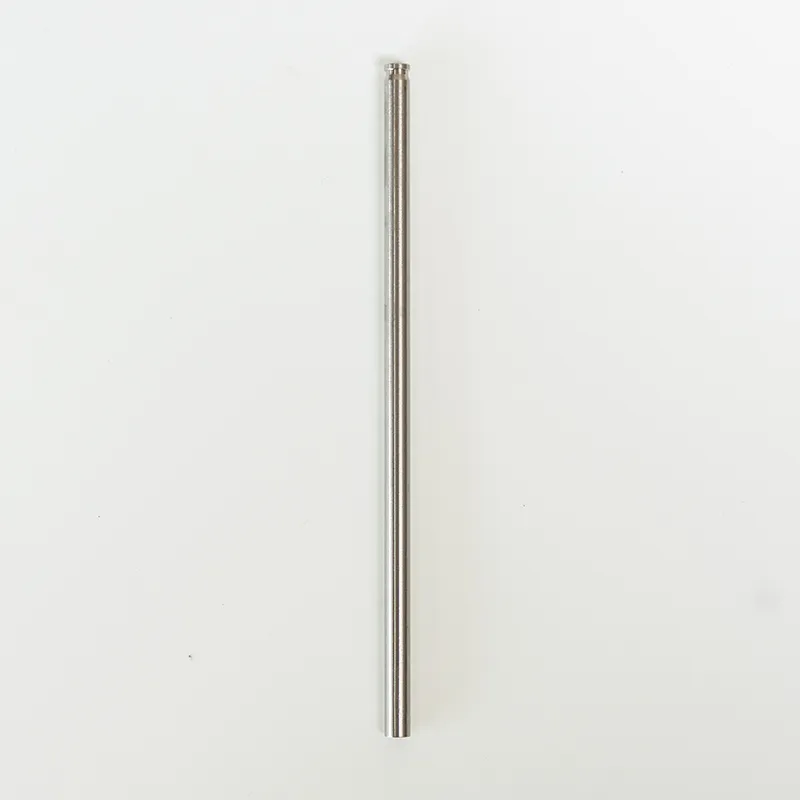

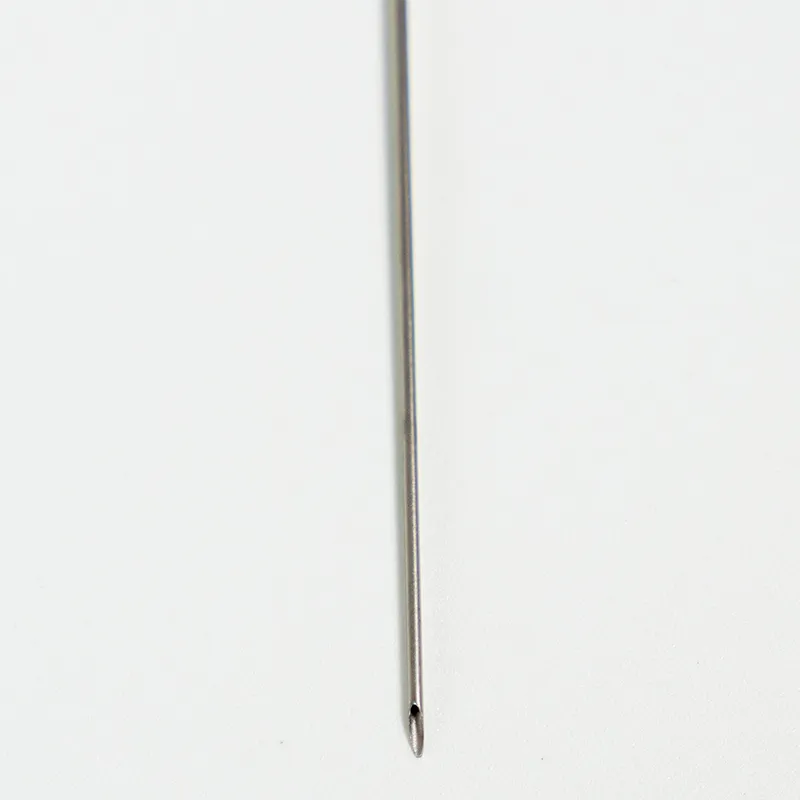
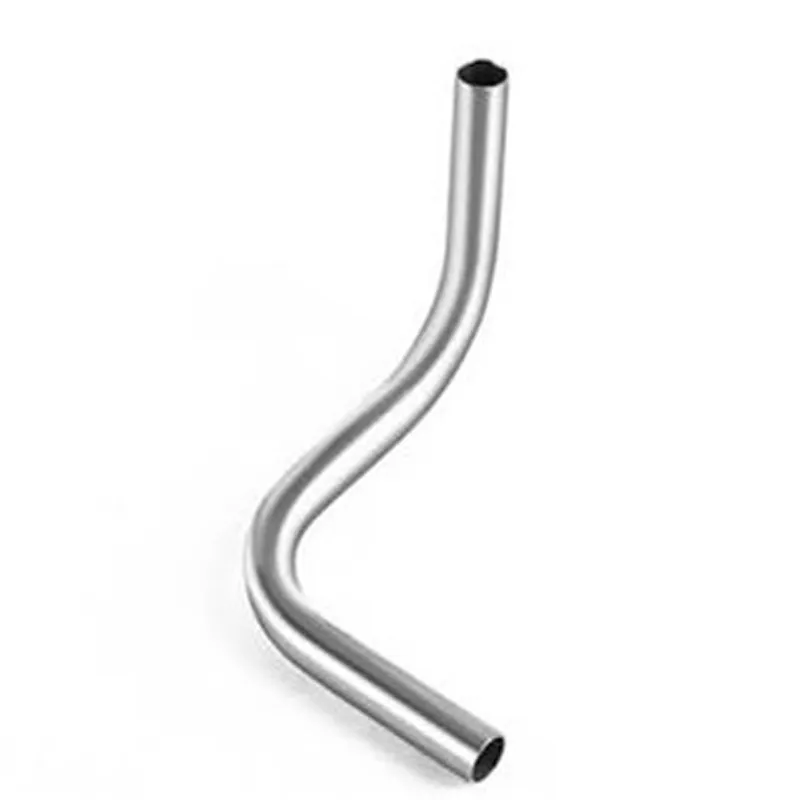
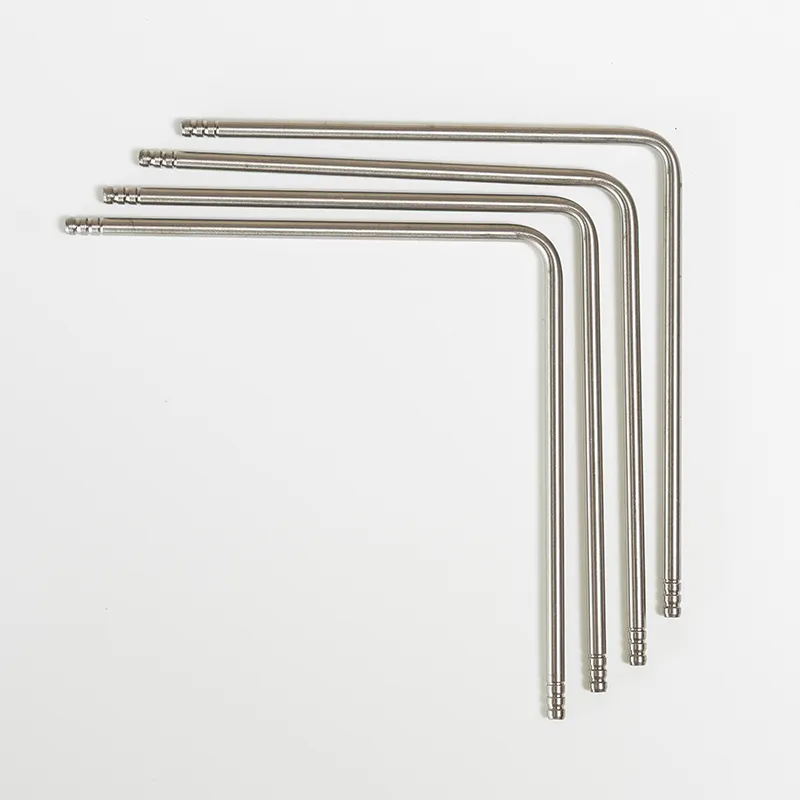
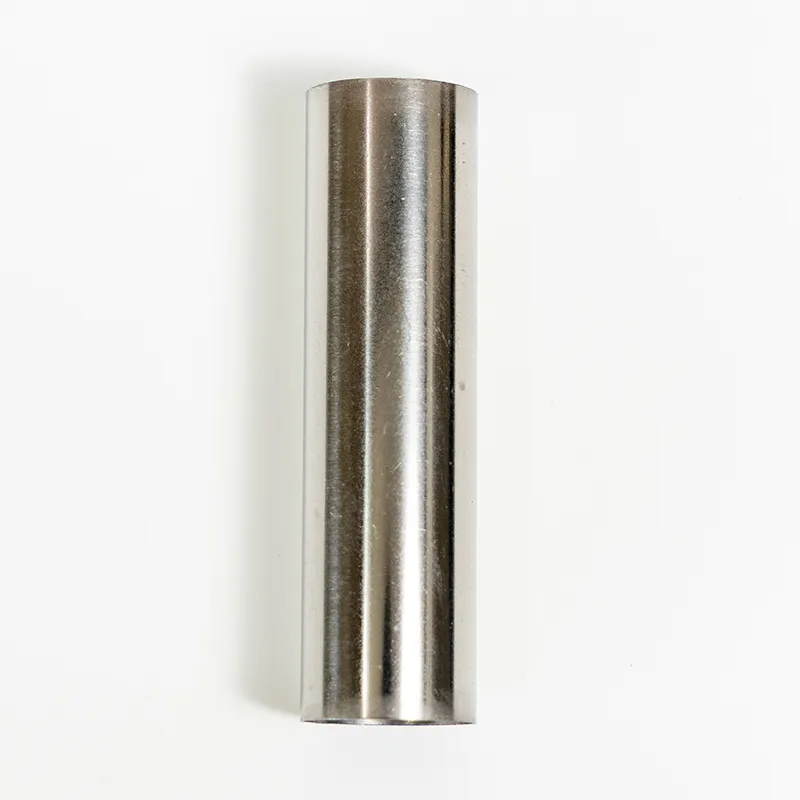
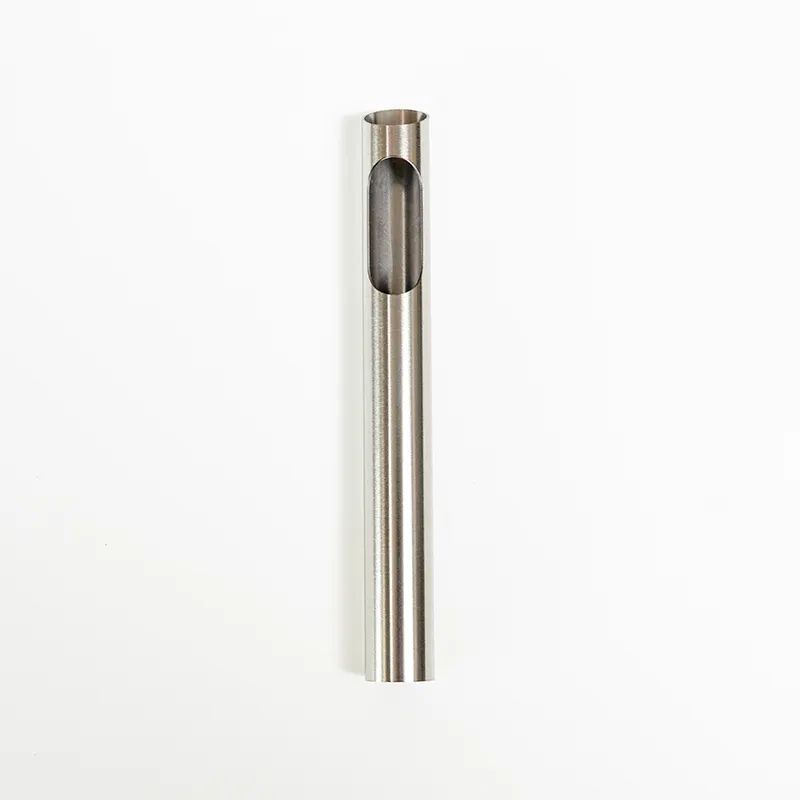
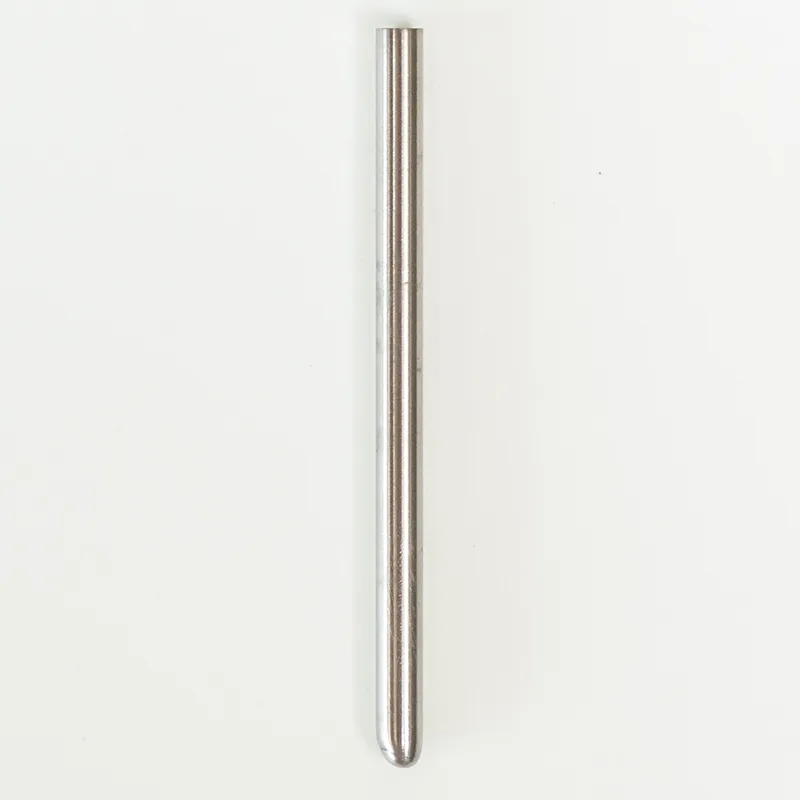
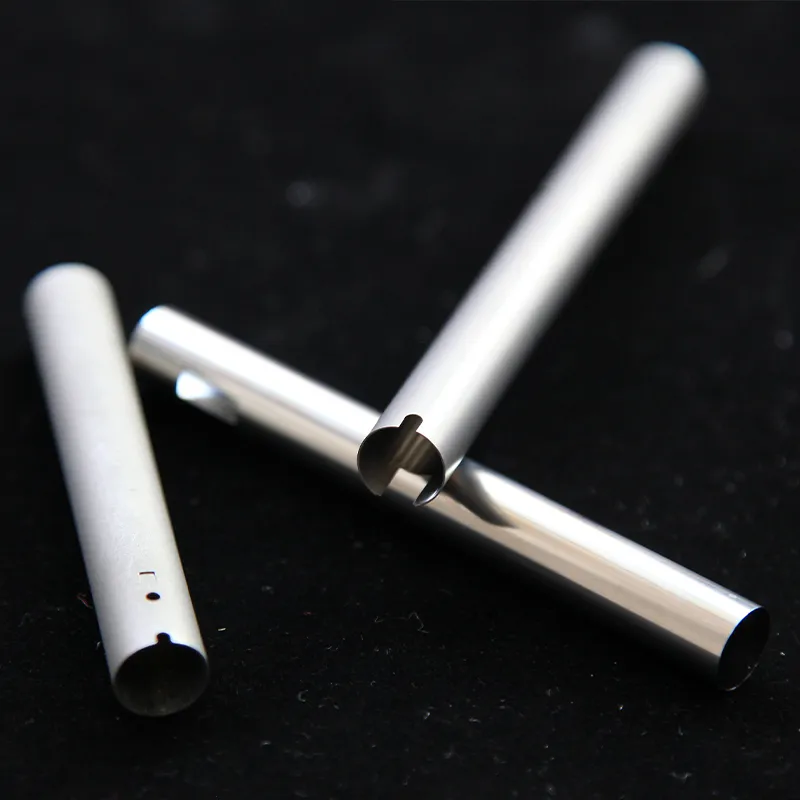
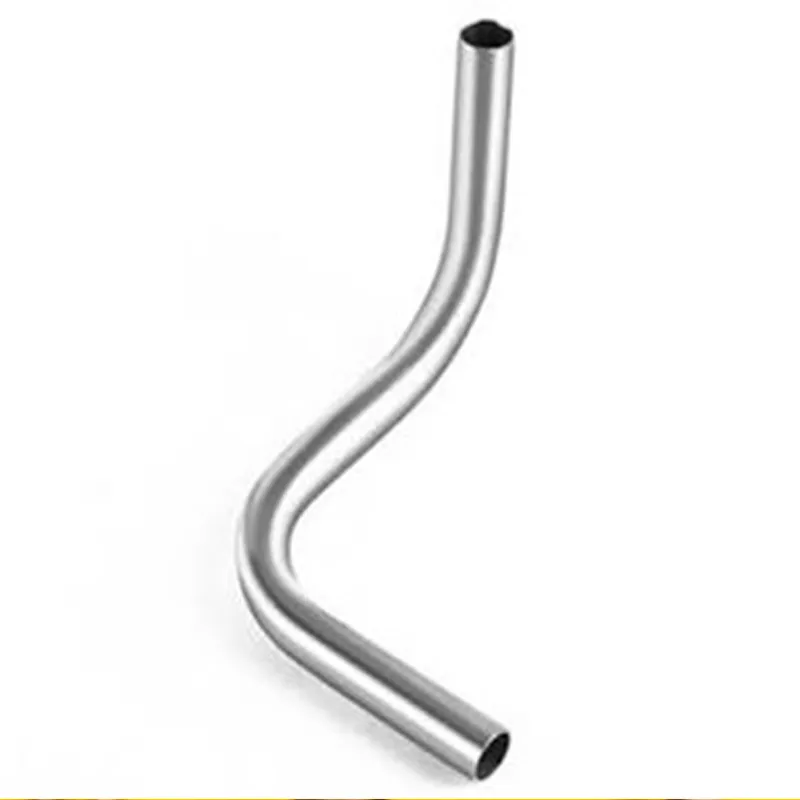
Tube for inserting an endoscope (rigid endoscope) Purpose: The main body of the endoscope, inside which all working channels are located. It is a key component that provides the function of “penetrating deep into the body.” The internal space is used to accommodate lens systems and...
Tube for inserting an endoscope (rigid endoscope)
Purpose: The main body of the endoscope, inside which all the working channels are located. It is a key component that provides the function of “penetrating deep into the body.” The internal space is used to accommodate lens systems and light guides.
Application scenarios:
1. Laparoscopic surgery: making several small punctures in the abdominal wall, introducing a rigid endoscope and surgical instruments for minimally invasive operations.
2.Thoracoscopic surgery: used to examine and treat the organs of the chest cavity.
3.Arthroscopic surgery: used to diagnose and treat pathologies of the knee, shoulder and other joints.
4.Hysteroscopy and intrauterine operations: used for visual examination of the uterine cavity and performing appropriate manipulations.
5.ENT endoscopy: used to examine relatively straight cavities such as the nasal cavity and larynx.
6.Nephroscopic surgery: used primarily for the treatment of large kidney stones.
7. Ventriculoscopy of the brain.
8.Proctological surgery.
Specification:
| Tube for inserting a thoracoscope | Diameter: 7.0 mm (insertion part) Working length: ≥ 270 mm (effective length) Instrument channel: ≥ 2.7 mm Bend angle: Up/down ≥ 130° Material: Stainless steel |
| Tube for inserting a laparoscope | Diameter: ≤ 11.5 mm (maximum insertion part) Working length: 353 mm (working length) Main channel width: ≥ 10.5 mm Material: Stainless steel Function: Protection of the bending part, reduction of backlash |
Medical equipment:
1.Application scenarios: Surgical instruments (staplers, ultrasonic scalpels), diagnostic equipment (endoscopes), interventional therapy (catheters) and other key medical supplies and equipment.
2.Standards and requirements: It is necessary to simultaneously satisfy the requirements of biocompatibility, micron processing precision, high cleanliness of the production environment, as well as corrosion resistance to the effects of physiological body fluids.
3.Key advantages and solutions of Xinliang: Based on many years of experience in deep long-term cooperation with renowned medical enterprises, we deeply understand clinical needs and offer highly reliable customized production solutions that comply with the GMP standard.
Chemical composition of stainless steel
| Steel grade | C | Si | Mn | P | S | Cr | Ni | Mo | Ti |
| SUS304 | ≤0.08 | ≤1.00 | ≤2.00 | ≤0.045 | ≤0.030 | 18.0-20.0 | 8.0-10.5 | - | - |
| SUS304L | ≤0.03 | ≤1.00 | ≤2.00 | ≤0.045 | ≤0.030 | 18.0-20.0 | 8.0-12.00 | - | - - |
| 316L | ≤0.03 | ≤0.075 | ≤2.00 | ≤0.045 | ≤0.030 | 16.0-18.0 | 10.0-14.0 | 2.0-3.0 | - |
| 321 | ≤0.08 | ≤0.75 | ≤2.00 | ≤0.045 | ≤0.030 | 17.0-19.0 | 9.0-12.0 | - | ≥5×C |
Product range
We can produce various types of stainless steel tubes with outer diameter from 0.4mm to 16.0mm and wall thickness from 0.05mm to 1.2mm. We have a significant advantage in the production of small diameter tubes and thin-walled tubes, which allows us to fully meet the stringent requirements of the precision manufacturing industry.
| Outer diameter OD (mm) | Wall thickness WT (mm) | 0.05-0.1 | 0.1-0.12 | 0.12-0.15 | 0.15-0.18 | 0.18-0.2 | 0.2-0.25 | 0.25-0.6 | 0.6-0.8 | 0.8-1.2 |
| 0.4 | V | V | V | |||||||
| 0.5 / 0.6 | V | V | V | V | ||||||
| 0.7 | V | V | V | V | ||||||
| 0.8 / 0.8-1.0 | V | V | ||||||||
| 1.0-2.0 | V | V | V | V | V | |||||
| 2.0-2.5 | V | V | V | V | V | |||||
| 2.5-3.0 | V | V | V | V | V | V | ||||
| 3.0-5.0 | V | V | V | V | V | |||||
| 5.0-7.0 | V | V | V | |||||||
| 7.0-10.0 | V | V | V | |||||||
| 10.0-16.0 | V | V |
Stainless steel tube for medical cutter Cutter head (cutting part): Made of stainless steel...
Application of stainless steel tubes in the semiconductor industry Stainless steel tubes, especially high...
Chemical composition of stainless steel Steel grade C Si Mn P S Cr Ni Mo Ti SUS304 ≤0.08 ≤1.00 ≤...
In the field of automobile industry: 1.Application scenarios: Widely applied in such key...
Stainless Steel Core for Power Batteries Purpose: In the field of power...
Chemical composition of stainless steel Steel grade C Si Mn P S Cr Ni Mo Ti SUS304 ≤0.08 ≤1.00 ≤...
Austenitic Stainless Steel(Austenitic Stainless Steel)due to its excellent corrosion...
Stainless steel tube components for ultrasonic surgical hemostatic scalpel...
Special tube for stapler Purpose: The most important component of tubular medical...
Chemical composition of stainless steel Steel grade C Si Mn P S Cr Ni Mo Ti SUS304 ≤0.08 ≤1.00 ≤...
Thick Wall Capillary Tube - Applications: Instrumentation Scenarios...
Chemical composition of stainless steel Steel grade C Si Mn P S Cr Ni Mo Ti SUS304 ≤0.08 ≤1.00 ≤...
Stainless steel needle is a high-precision thin-walled capillary needle. Purpose: Is the main...
Chemical composition of stainless steel Steel grade C Si Mn P S Cr Ni Mo Ti SUS304 ≤0.08 ≤1.00 ≤...